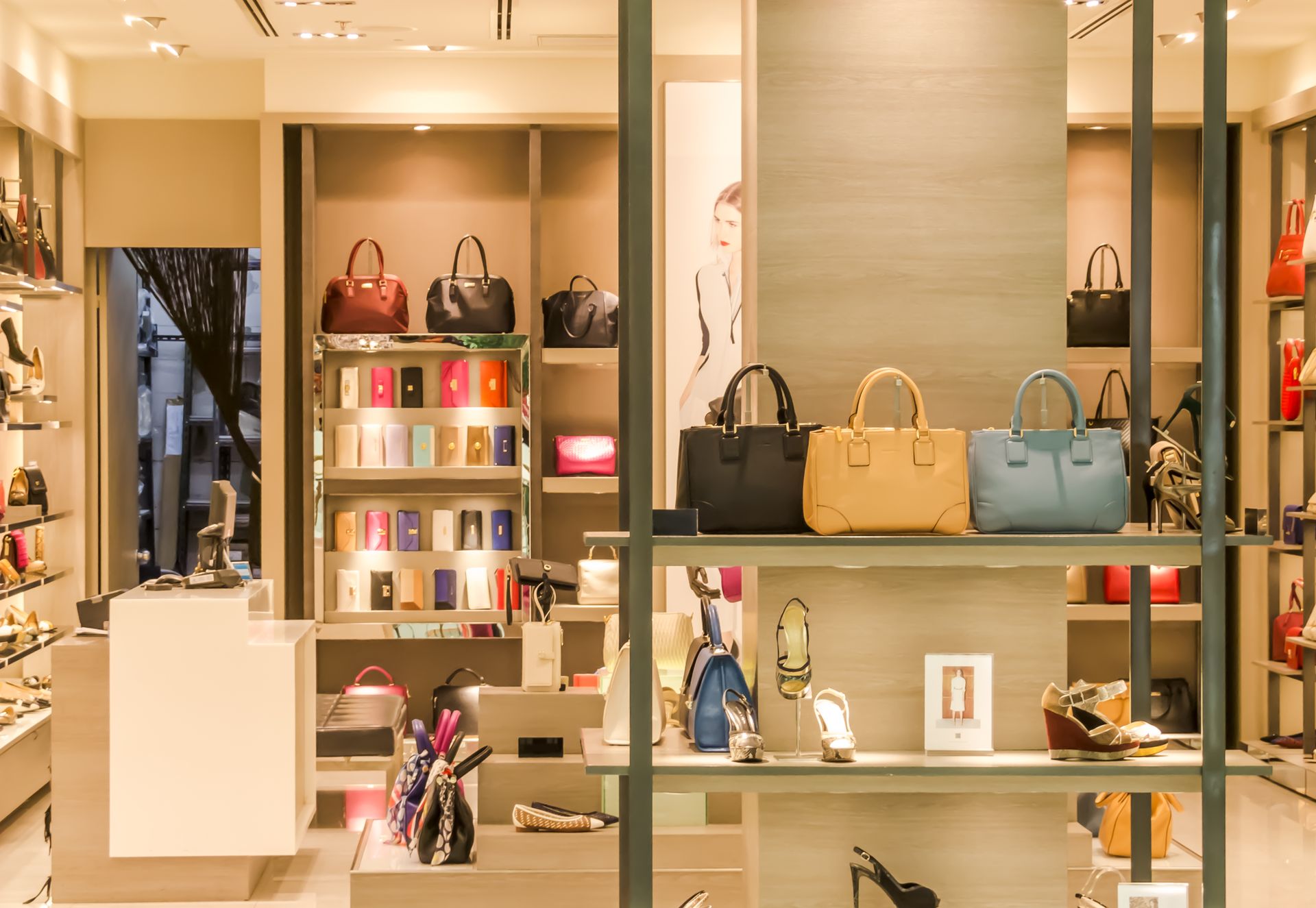

Three buyers can visit the same store looking for different products. One knows the exact item they want; another needs something for a certain occasion. The third person is looking for a specific style but hasn’t bought anything yet. If the store organizes its products around product type alone, some of those buyers might struggle to find a useful starting point. A well-organized collection structure can give customers plenty of ways to browse your products and find what they need. It is about improving the way they discover the products.
Start With the Shopper’s Mission, Not Just the Product Type
Imagine a clothing store selling all kinds of shirts, jackets, pants, and shoes. Organizing all of these by product type can give buyers a straightforward starting point. But someone looking for an outfit for a job interview might prefer to look for workwear, while someone looking for an outfit for a weekend trip will look for travel essentials.
Real-world example: Instead of organizing every item only by product type, these collections give shoppers another way to browse based on the occasion or situation they have in mind.
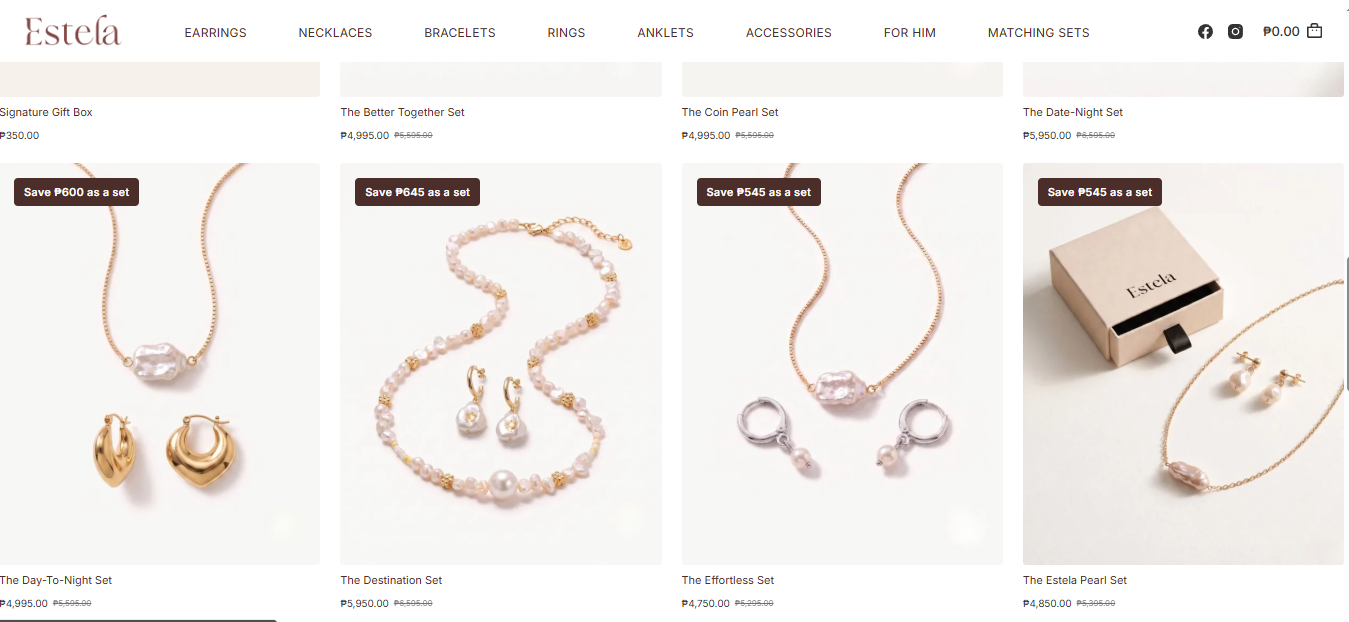
These are two different shopping goals. Algolia tells us of a similar idea in its example of Harry Rosen. Instead of grouping clothes based on type, for example, a corporate event, stores can also group them by occasion, for example, a date night. This helps buyers find the products based on what they are currently looking for.
Give Shoppers More Than One Useful Route
You can group products by type, use, style, or the buyer’s needs. For example, a store selling skincare products can have collections for moisturizers and cleansers, and also have collections for dry skin or easy morning routines. A store selling furniture can group its products by room or feature its products for small spaces.
These groupings should match the different ways your customers look for products. They can also overlap. For example, the same cleanser could be a part of a skincare, dry-skin, and a morning routine collection. BigCommerce tells us that a product can be a part of different groups, like who the product is for, its type, what it can do, or a special sale. The key here is to make each group useful; adding more groups only helps when each gives customers another helpful way to find what they need.
A product can belong to a lot of collections, each helping buyers find it for a different reason. But before putting out a new collection, consider if it offers a genuinely useful way to browse or it repeats what another collection already has. Keep your collections updated so that buyers don’t end up looking at outdated options.
Make the Collection Name Explain What’s Inside
Your buyers should not have to guess what a brand means before they can look through their products. For example: “Travel Essentials”, “Furniture for Small Spaces”, or “Skincare for Sensitive Skin” can make it clear what shoppers will get for each collection.
Creative names can also work if the collection has a clear description for it. For example, you name a collection “Weekend Ready”, and its description can be like “Comfortable clothing for trips and outings.” The name gives the collection its style, while the description helps them understand.
Let the Product Listing Page Do the Narrowing
Once buyers open a collection, the product listing page (PLP) shows the products, and the product detail page (PDP) shows product information, like descriptions. The PLP should help buyers narrow down their choices without going through every single product you have. For example, a shoe collection can have filters for all the different features like size, color, and price. These filters should focus on the features that help the buyers choose what to buy.
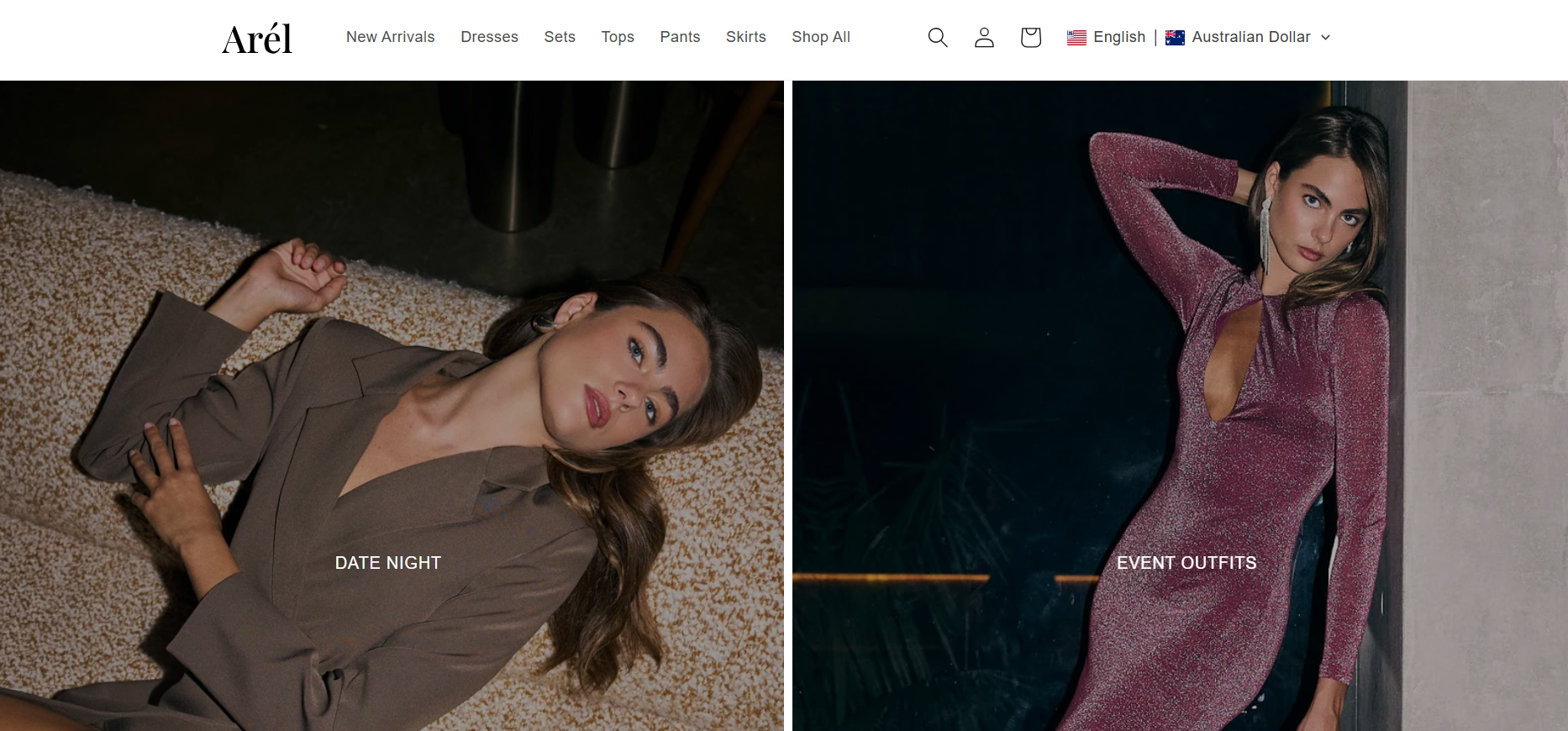
Real-world example: Instead of scrolling through every item, shoppers can refine the collection based on the kind of jewelry they want, the material they prefer, or their budget.
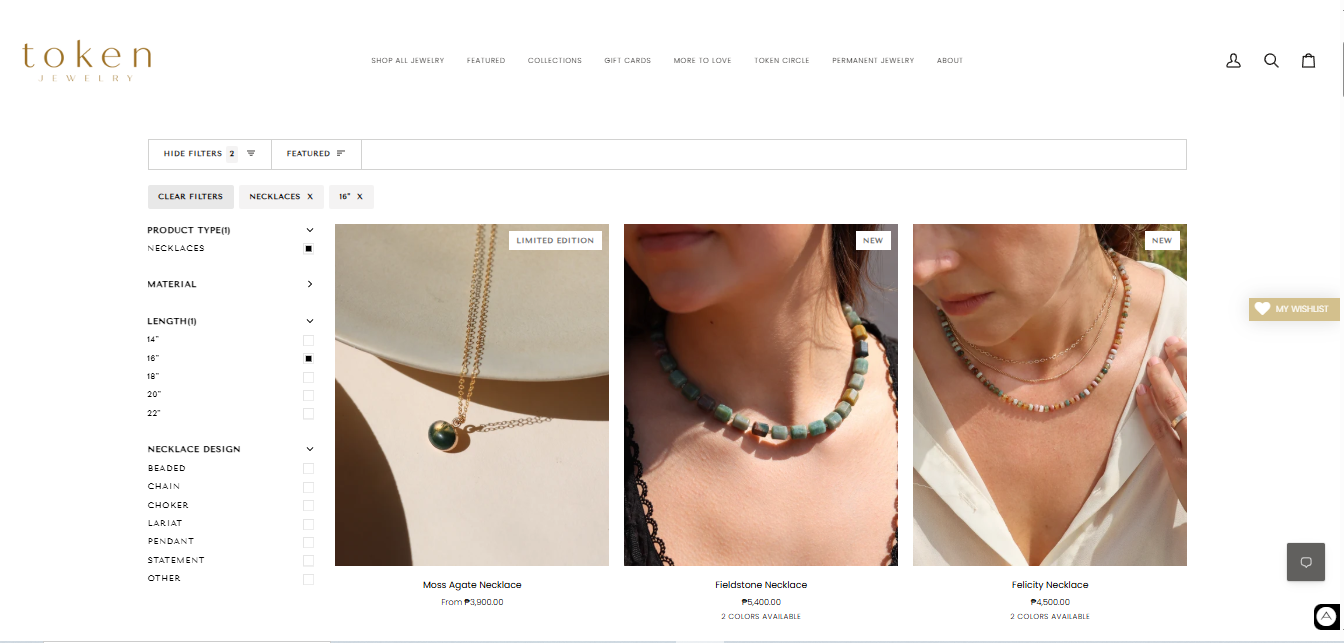
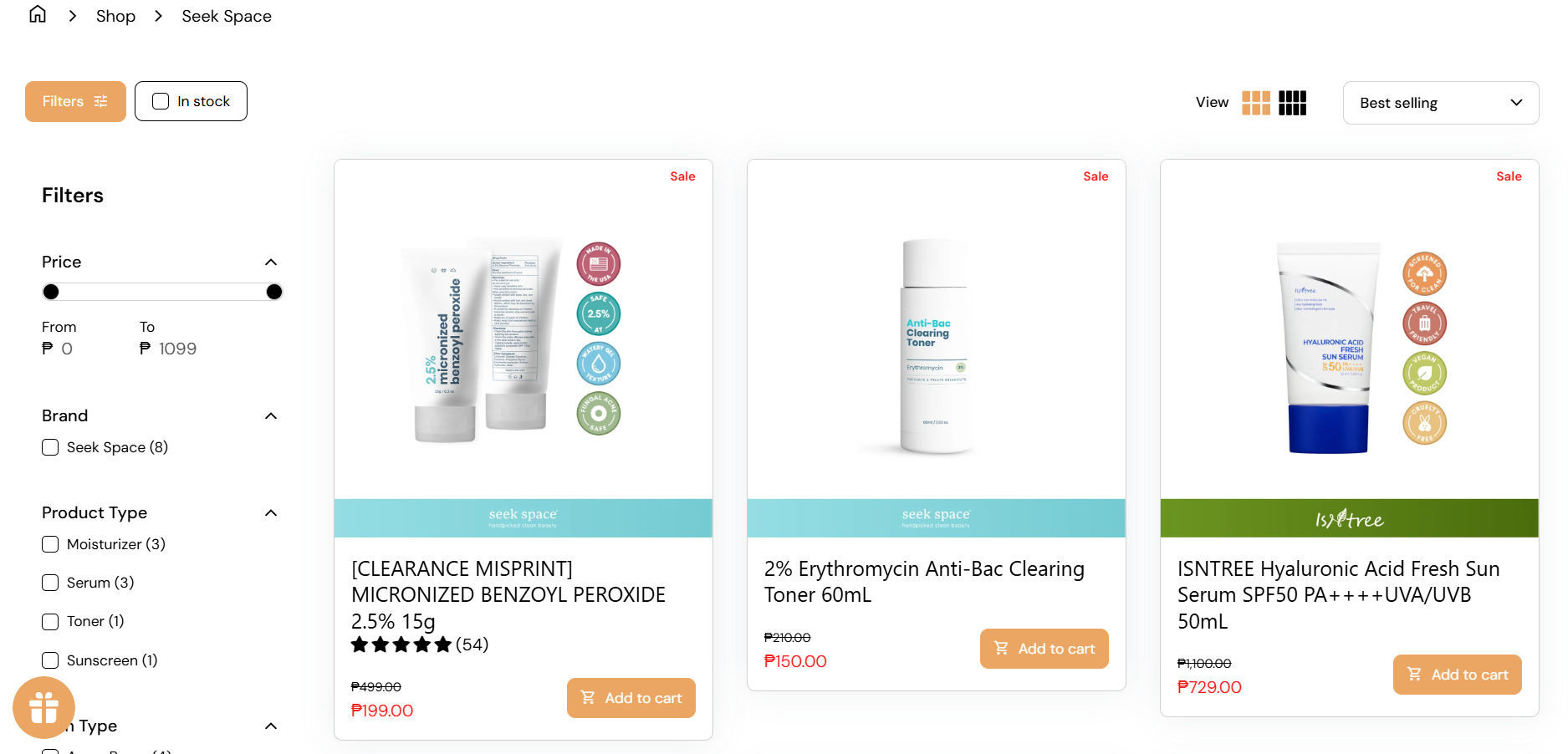
Algolia tells us that filters help buyers narrow their choices down based on the features a product has. The goal here is to give your buyers useful ways to find what they’re looking for. Filters help buyers this way, but adding more filters won’t help if they are irrelevant to the customer or the product’s information is incomplete. Make sure your filters reflect what your buyers care about and your product details are consistent to make the filters useful.
Use Browsing Behavior to Find What’s Missing
Your collection structure should change as you add new products and customer needs change. If your buyers often look for the same things and filters, or have trouble looking for products, it might mean the current setup needs improvement. So pay attention to what your buyers look for, the filters they use, what products they click, and which search queries show no results. These give you details that will help you understand what your buyers want to find and where your current setup needs changing. The details may not tell you exactly what to add, but they can help you decide what needs changing.
Your buyers can reveal where and what your store needs improvement on based on their searches, clicks, and use of filters. It is also an opportunity to come up with different offers because it is live market feedback for you.
The best collection structure is not about having the fanciest design or having the most categories; it is about helping buyers narrow their choices to find the products they need.
Speak with our team about your ecommerce vision. Partner with Mata to design, build, and launch a digital experience that delivers real results.
About the author
Kranz is a Content Writing Intern at Mata Technologies, where he focuses on research, writing, and developing content for the company’s blogposts.