Why Every Fashion eCommerce Entrepreneur Should Attend Trade Shows Like Tranoï Paris
When you are in the luxury fashion business, ecommerce is your most profitable sales channel, but it is still just a channel. Fashion is your business. It is tempting to adopt a technology-first mindset where conversion rates and ad spend dominate every conversation, and excellent execution online is absolutely essential. But when ecommerce becomes the whole identity rather than one part of the strategy, something important gets lost. When you are in online fashion, technology is one half and fashion is the other. Do not forget which one came first.
You Are in Fashion. Act Like It.
Your customers and buyers want you to be all about fashion and creativity as a brand first. You will need an excellent IT department yourself or IT service provider as a partner to keep up with ecommerce trends, but they are unlikely to help you with the newest fashion trends. Maintaining this connection to the industry and the pulse of fashion itself is only possible, if you don’t run your business exclusively from behind a screen.
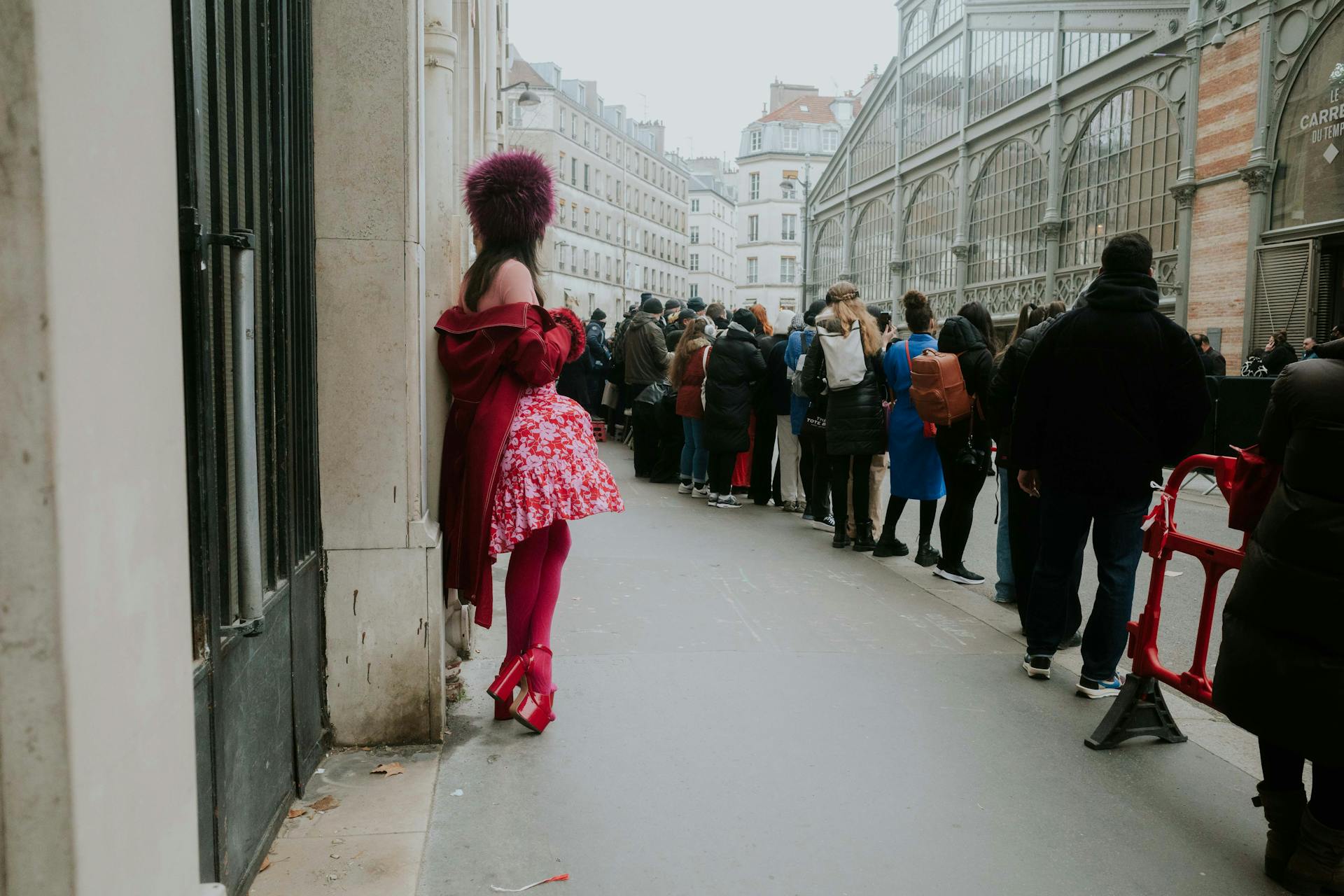
Attending curated trade events like Tranoï Paris, held during Paris Fashion Week at the Palais Brongniart, is not a nice-to-have; it is a strategic necessity for anyone who wants to operate seriously in luxury or premium fashion commerce. Don’t just think of yourself as a technology and logistics operator delivering clothes and accessories to online shoppers, be a fashion entrepreneur, hustle on the streets of Paris and meet your peers. Seek the connection to the fashion industry and to the latest trends.
Going to Tranoï really opened my eyes about the importance of connecting with the industry you operate in, because as an IT service provider, we have a very different culture and understanding of things. I was very focused on technology, but didn’t understand how distinct the fashion industry is. It was something that you could really feel walking from table to table at Tranoï. I was the only IT person there and it was different from any conference or tradeshow that I had attended so far. No one talked about technology, but then again the point of fashion week is fashion and ecommerce is a sales channel.
On a more practical level, this is also where you can make connections with professional buyers for your brand who will stock your goods in department stores, boutiques and even other online stores. While these channels are usually thought to be not as profitable as directly selling online without a middleman to consumers, but the deals are B2B and therefore have higher volume and lower costs. Your margins might be lower, but it is still profitable, because your customer acquisition costs are also lower on a per unit basis. You might have spent several thousand Euros to make a connection to a professional buyer in Paris, but it can give you wholesale orders for years to come as part of a new B2B relationship. Brand recognition is another advantage. If your brand is available in luxury department stores in Tokyo, New York or Los Angeles, it must be legitimate and serious. Indeed many emerging fashion brands operate DTC ecommerce stores first, and set up another Shopify B2B store a bit later in their brand’s journey. This lets your existing B2B customers reorder stock without friction.
Understanding What a Trade Show Like Tranoï Actually Is
Everyone thinks of Paris Fashion Week as a glamorous affair where fabulous beautiful people wear stunning clothes and talk about the marvelous trends and outfits others are wearing. It all seems like a great party, but let me assure you, it is the most stressful time of the year, if you run a fashion business. And don’t think your year is done when you are back from Paris.
There are the "Big Four" fashion weeks, New York, London, Milan, and Paris. These are the premier, biannual events that dictate global fashion trends and set the industry calendar.With an economic impact of €1.7 billion, Paris is the most important of them all and most of our clients, in fashion, avoid scheduling any meetings with us during this time. They are all focused on taking care of the business of fashion while we as a service provider make sure their ecommerce continues to run smoothly while they run from industry event to industry event in Paris to meet with professional buyers or discuss the newest trends with their peers.
While everyone still looks their best, there is a difference between what fashion means for a fashionista in Beverly Hills and a fashion entrepreneur setting up meetings with wholesale buyers during Paris Fashion Week. Trade shows like Tranoï are business to business events and not always open to the public. Indeed looking at the official calendar of Paris Fashion Week most events remain invitation-only for the lucky few.
Tranoï requires you to register, but is more friendly to up and coming brands. It brings together more than 180 brands from all parts of the world, each driven by a strong creative identity and distinctive craftsmanship. Held at the iconic Palais Brongniart during Paris Fashion Week, the showcase spans ready-to-wear, accessories and lifestyle. You can attend as a visitor or apply to showcase your goods as a small and large brand. There are booths and tables available for large and small brands and especially smaller brands and foreign brands will have special offers. It might also pay to research whether special subsidies are available from the trade chambers of your home country. Many countries like the United Kingdom or Canada have special programs to support fashion as a creativity industry and want to encourage export to international markets. I saw many foreign brands from these countries at Tranoï. It’s not surprising, the buyer list reads like a who’s who of global luxury retail with iconic buyers such as Bergdorf Goodman, Neiman Marcus, and Net-a-Porter walking the exhibition rooms.
A Balance between DTC and Wholesale
When you are back from fashion week, get started implementing a strategy that strikes a balance between ecommerce and wholesale. Ecommerce is very important for emerging fashion brands, but as mentioned before, don’t forget that fashion is your actual business and ecommerce is a channel. The better margins that DTC ecommerce promises make a lot of fashion entrepreneurs discount the importance of wholesale, but it is still important to attend trade events and forge wholesale relationships. Striking a balance and embracing fashion as a business first, should be your goal. The facts speak for it, while it is true that ecommerce has better margins, there is research that shows that this advantage does not necessarily result in a better net profit.
A study by BMO Capital Markets analyst Simeon Siegel found that despite DTC gross margins averaging significantly above wholesale, the costs of running DTC operations offset those gains in most cases, leaving wholesale more profitable at the EBIT level for many brands. This is why the cost of running an ecommerce business has made wholesale more appealing and successful brands rely on both channels to sell their products. Wholesale often has lower costs particularly when it comes to customer acquisition while ecommerce has higher margins, but a lot more costs associated with it. For example, logistics and customer acquisition costs are high for ecommerce. We all know it takes a heavy ad budget to sell online. It is not ecommerce or wholesale alone that makes a brand successful. Both channels have their advantages and disadvantages. You want to do both and implement an omnichannel strategy for example using Shopify.
Recently, fashion brands are rethinking the balance between direct-to-consumer (DTC) and wholesale strategies as the costs of running DTC businesses continue to rise. Companies like Nike and Altuzarra have found value in both channels, using DTC for brand control and targeted audiences while relying on wholesale to expand visibility and reach customers more cost-effectively. You want to find your own balance between the two channels and think of a blended approach for your business. A successful brand will find a new balance.
Having a wholesale strategy that places your fashion in established stores means you are being close to other established luxury brands. This can make a big difference for how an emerging luxury fashion brand is perceived. The halo effect is real and will tell potential new customers that your brand already belongs with the great names of this industry. Additionally, your name is being introduced to a new audience of luxury consumers which means you will have lower customer acquisition cost compared to only selling your fashion goods through your own ecommerce store. Many retailers like Neiman Marcus and Saks Fifth Avenue have created online storefronts that can help emerging fashion brands get exposure.
What You Actually Gain
Attending a tradeshow like Tranoï can help you establish relationships with retailers, but beyond that it does a lot more for you. Paris Fashion Week is the pinnacle of the industry and you will be able to see all the latest fashion trends, analyse your competition and meet with potential buyers and get feedback on your fashion goods and your position in the industry. This will give you new insights and inspiration to make on the business and technology side of your business. It will provide you with insights about your markets and the trends your customers are looking for which is important for your DTC ecommerce business. At the same time, it will be very useful for your wholesale strategy. Many emerging brands have a separate wholesale ecommerce store using Shopify which allows them to create a tailored experience for both customers and the professional B2B buyers which you will meet at Paris Fashion Week.
The next time Paris Fashion Week comes around, ask yourself whether you are running an ecommerce business or a fashion business. The two are not the same thing. Your technology stack, your conversion rate, your ad spend, none of it matters if you lose touch with the industry that makes it all worth doing. Go to Paris. Walk the floor at Tranoï. It will change how you think about everything else when you get back.
About The Author
Bastian Lauer is one of the founders of Mata Services. Mata is a company helping brands of all sizes build and maintain their ecommerce websites. We've worked with over 20 ecommerce brands, mostly in fashion, luxury, cosmetics, jewelry, and skincare. We helped our clients build and maintain websites which accumulate 10M visits, over $70M in total sales and half a million orders during a usual year.