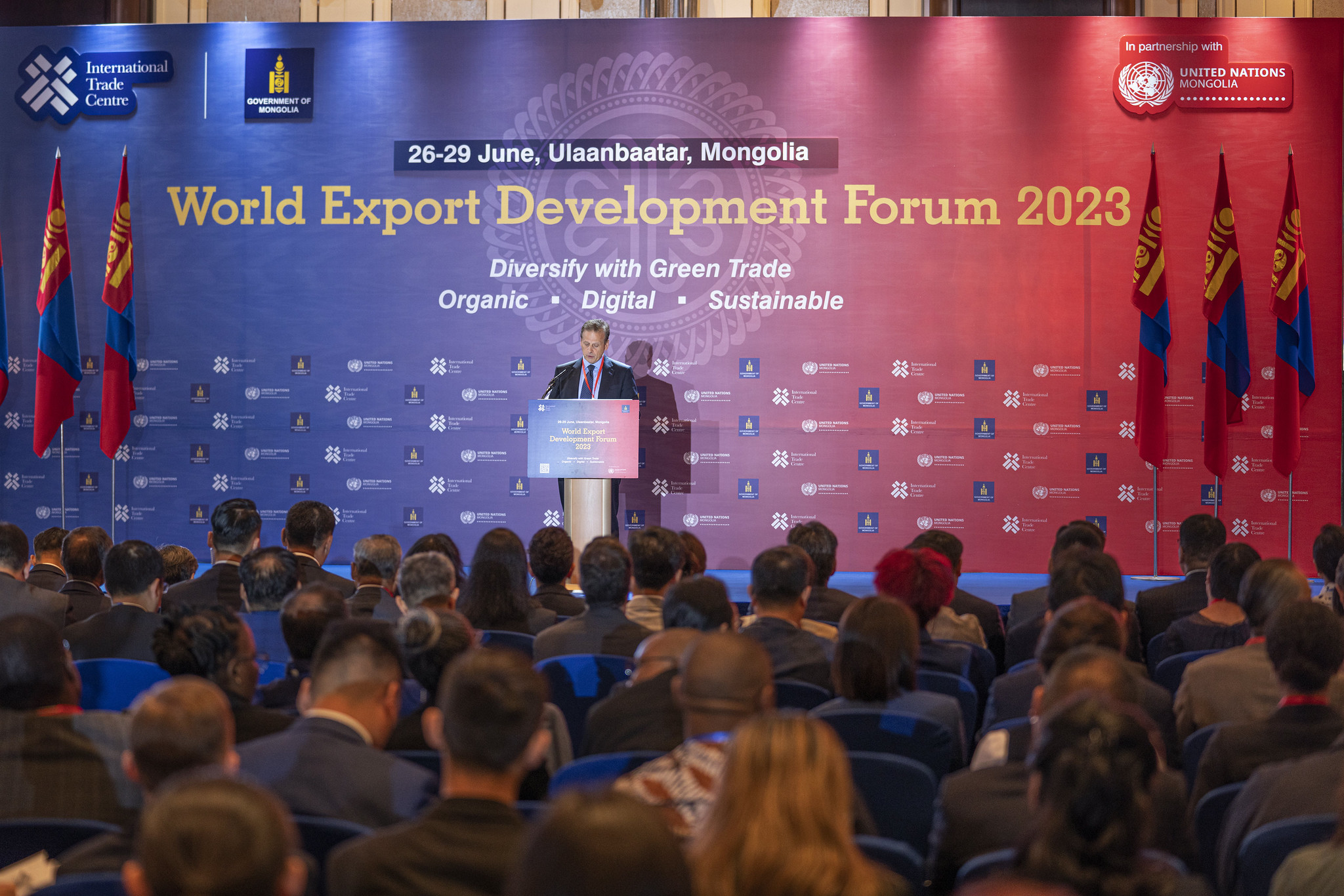
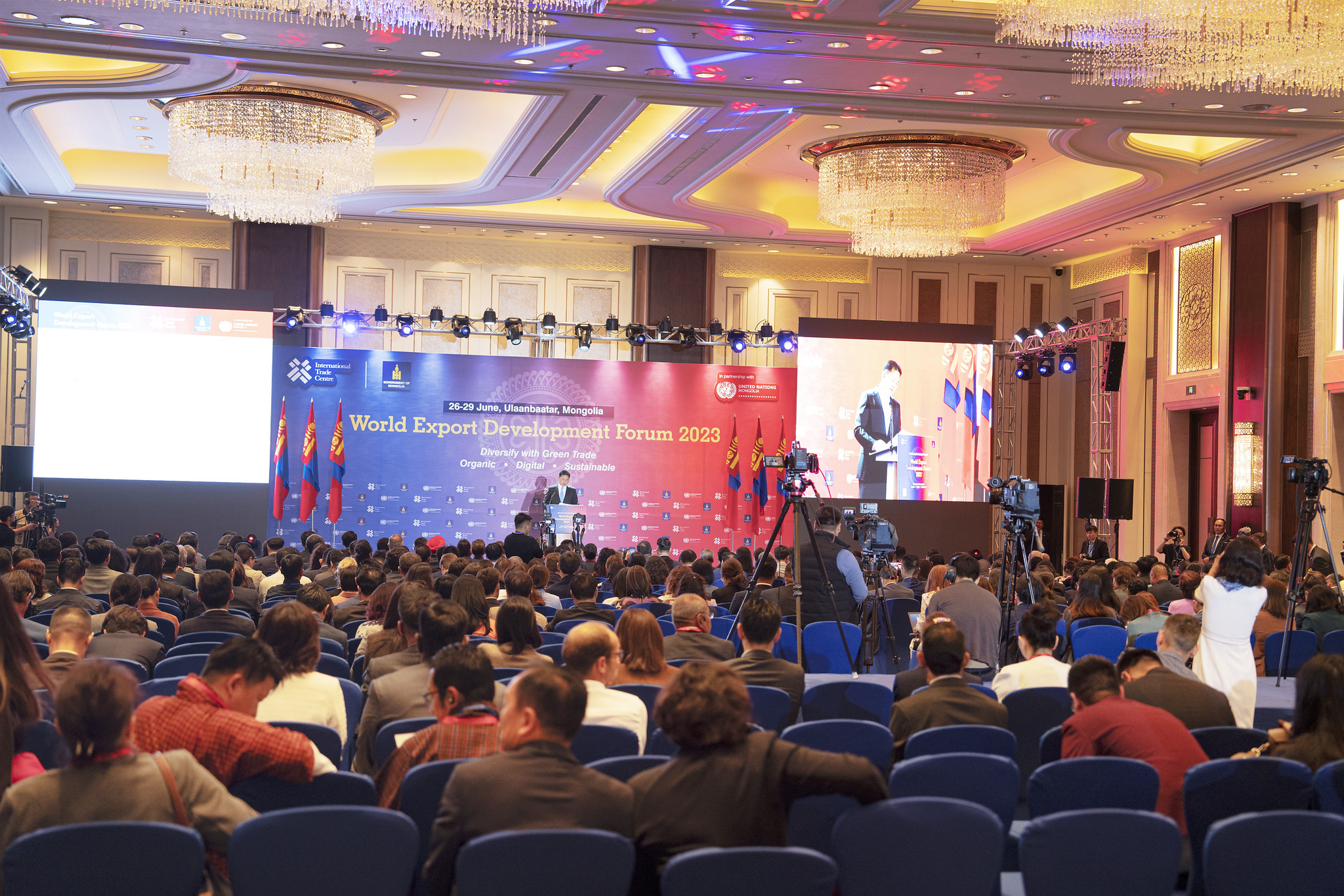
In 2023 Mata was very fortunte to partipate in WEDF in Mongolia. The lessons we learned there are still true today. Maybe even more true since the conference was held at a pivotal point in how global trade is conducated.
International trade has been changing. Companies are looking more at a country’s political stability, ethical standards, reliability and sustainability when deciding who to partner with for business. That was one of the most important and clearest takeaways from the World Export Development Forum held in Mongolia, where co-founder of Mata, Bastian Lauer, attended to learn more about international trade and connect with entrepreneurs. Mata was invited as part of a delegation from the Philippines to participate in the event.
Cheap isn't always competitive anymore
For decades, international sourcing was mostly about finding the lowest-cost choice for the business. But that decision-making process is becoming more complicated with more factors influencing the final outcome. A cheap supplier can suddenly become expensive when sudden political instability, changes to regulations, or goods and services are unable to move reliably become disruptive to business.
The same logic applies in terms of sustainability and ethical requirements. International buyers are asking for proof that the products and services produced by their potential business partners are being produced ethically. While these requirements are more prevalent in industries such as agriculture and textiles, Bastian expects that similar requirements are increasingly affecting technology and service companies as larger partners pass compliance requirements down their supply chains. This is already common in Europe with new European Union regulations shaping how corporations audit their supply chainn even for ICT services.
The opportunity is in the connections
For smaller businesses, one of the biggest obstacles to expanding internationally is not necessarily about the product or service itself, it is about finding the right people and companies in other markets.
That was one of the most useful segments of the WEDF for Bastian. The forum organized a networking space between entrepreneurs from different countries, that created opportunities to discover businesses. He met, for example, a Mongolian founder working in virtual reality for tourism, an IT entrepreneur from India, both do something quite similar to the line of work that Mata does in the Philippines.
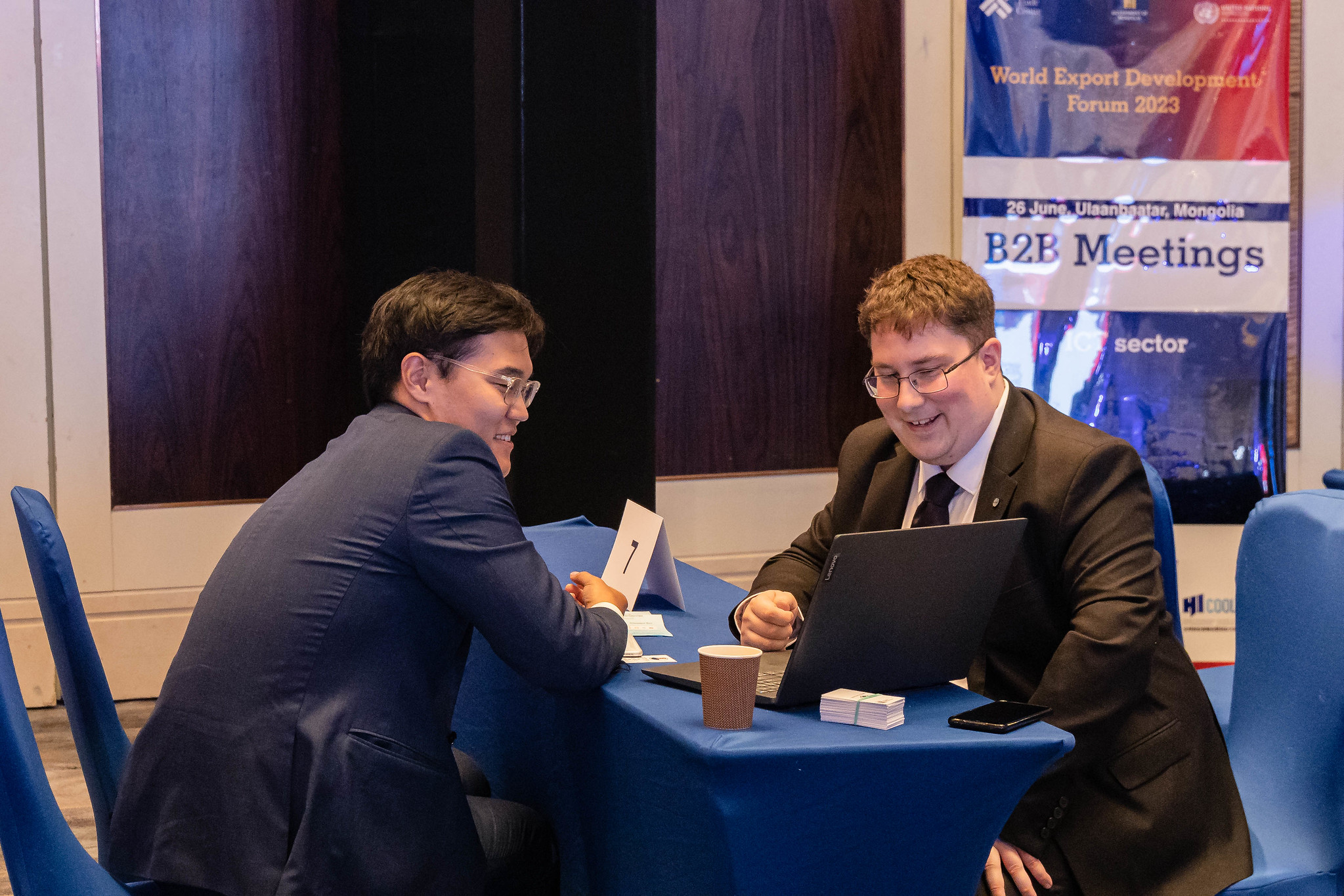
These connections showed that expanding internationally doesn’t always have to start at entering a completely new market alone. Sometimes it starts by looking for another company that is already addressing a similar problem.
The Philippines already has something to export
That idea could be especially valuable for Philippine companies. The country offers a strong IT and Business Process Outsourcing (BPO) industry, alongside the bulk of its English-speaking workforce, has created opportunities beyond the traditional markets of the United States, Europe, and Australia.
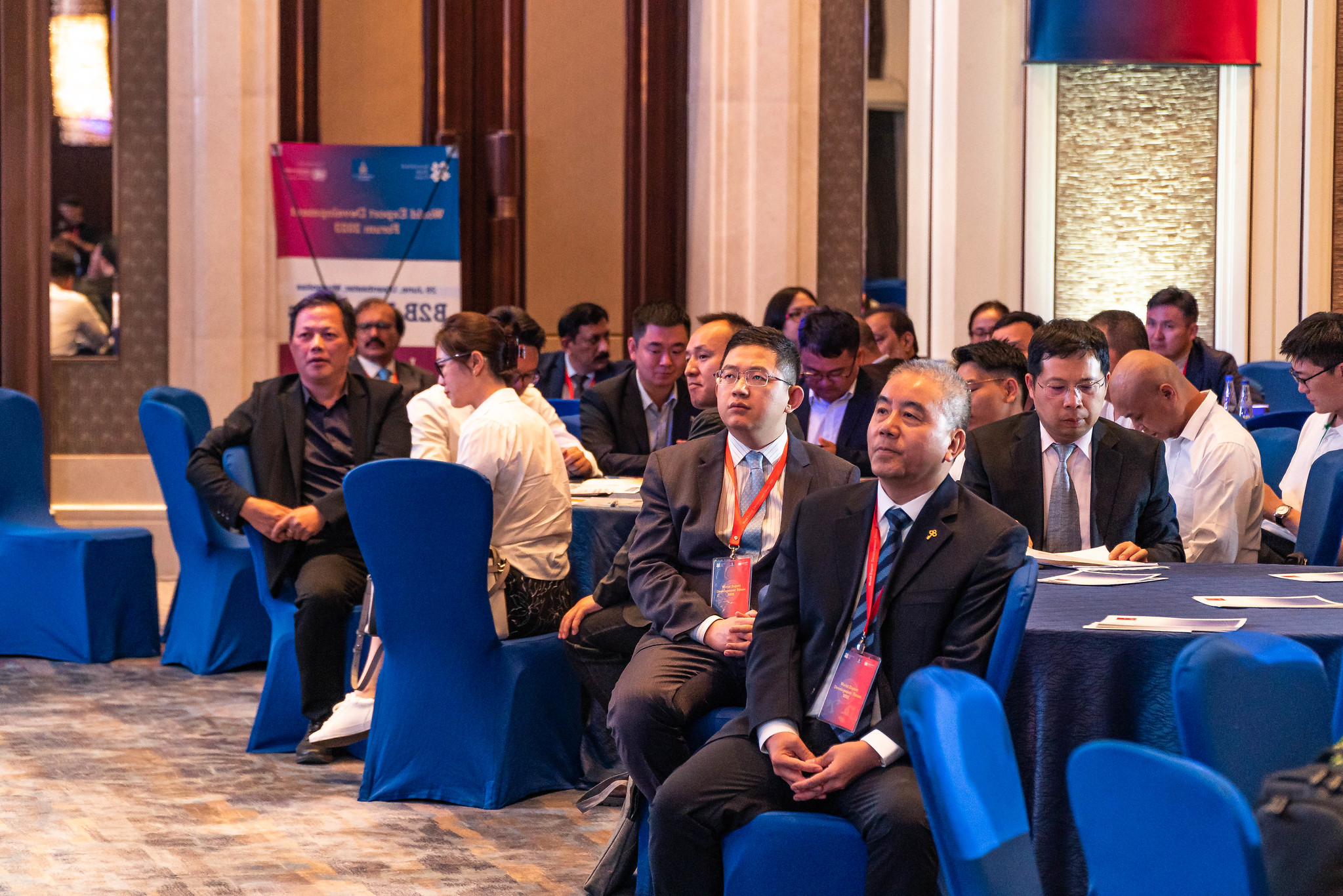
Bastian pointed towards potential applications to nearby Asian markets such as hotels, airlines, and tourism that Philippine companies could use for software, customer service, e-commerce, and other digital services. The opportunity here is to identify where Philippine expertise can fill up the gaps in markets that need it.
Becoming part of the global supply chain
For Mata, this can be about positioning itself as one dedicated part of a much larger international operation. A fashion company might produce clothing in Turkey, Portugal, or Italy, then use warehouses in other parts of Europe or the United States, and sell to customers all around the world. Its software, e-commerce operations, and website can be managed somewhere else entirely.
That is where a company from the Philippines that works on technology can fit. There is no need for Mata to be physically present and operate in every country its clients do business in. Instead, it can provide a specific service from the Philippines and help a company from a different country become more efficient.
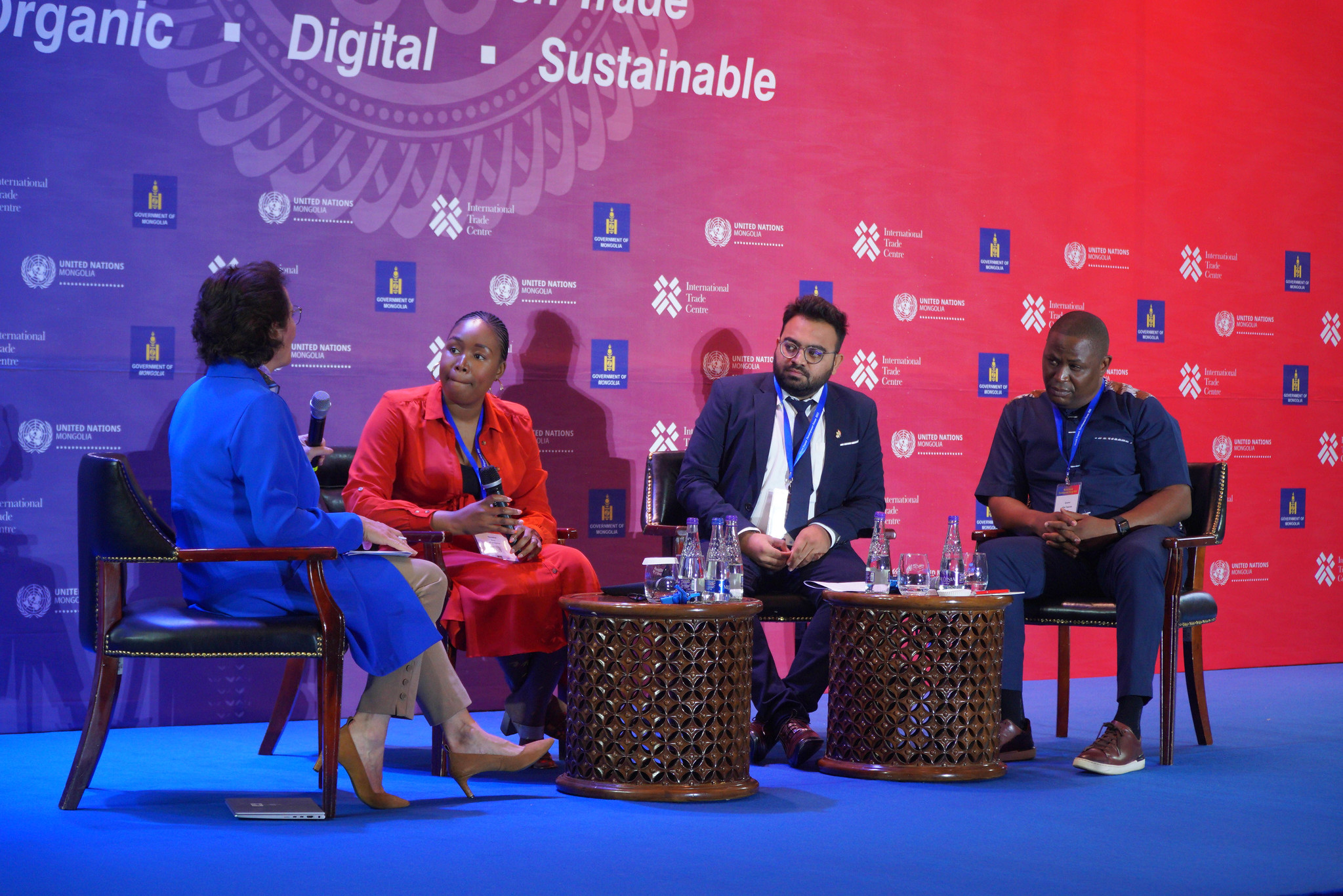
The bigger lesson learned from Mongolia is that growing internationally is not always about finding the largest market or the cheapest supplier. It can be about finding where the strengths of different countries fit together.
For Philippine businesses, that means looking past the usual destinations, building connections internationally, and start asking a more useful question: Where can what we already do well create value for someone else?
About the author
Kranz Dorio is a Content Writing and Marketing Intern at Mata Technologies, where he focuses on research, writing, and developing content for the company’s news blog.